还有一个问题是幻读的问题,这貌似也是个高频面试题,啥意思呢,或者说跟它最常拿来比较的脏读,脏读是指读到了别的事务未提交的数据,因为未提交,严格意义上来讲,不一定是会被最后落到库里,可能会回滚,也就是在 read uncommitted 级别下会出现的问题,但是幻读不太一样,幻读是指两次查询的结果数量不一样,比如我查了第一次是 select * from table1 where id < 10 for update,查出来了一条结果 id 是 5,然后再查一下发现出来了一条 id 是 5,一条 id 是 7,那是不是有点尴尬了,其实呢这个点我觉得脏读跟幻读也比较是从原理层面来命名,如果第一次接触的同学发觉有点不理解也比较正常,因为从逻辑上讲总之都是数据不符合预期,但是基于源码层面其实是不同的情况,幻读是在原先的 read view 无法完全解决的,怎么解决呢,简单的来说就是锁咯,我们知道innodb 是基于 record lock 行锁的,但是貌似没有办法解决这种问题,那么 innodb 就引入了 gap lock 间隙锁,比如上面说的情况下,id 小于 10 的情况下,是都应该锁住的,gap lock 其实是基于索引结构来锁的,因为索引树除了树形结构之外,还有一个next record 的指针,gap lock 也是基于这个来锁的 看一下 mysql 的文档
SELECT … FOR UPDATE sets an exclusive next-key lock on every record the search encounters. However, only an index record lock is required for statements that lock rows using a unique index to search for a unique row. 对于一个 for update 查询,在 RR 级别下,会设置一个 next-key lock在每一条被查询到的记录上,next-lock 又是啥呢,其实就是 gap 锁和 record 锁的结合体,比如我在数据库里有 id 是 1,3,5,7,10,对于上面那条查询,查出来的结果就是 1,3,5,7,那么按照文档里描述的,对于这几条记录都会加上next-key lock,也就是(-∞, 1], (1, 3], (3, 5], (5, 7], (7, 10) 这些区间和记录会被锁起来,不让插入,再唠叨一下呢,就是其实如果是只读的事务,光 read view 一致性读就够了,如果是有写操作的呢,就需要锁了。
腆着脸说虽然这个不可行,但是思路是对的,具体实行起来需要做一系列(肥肠多)的改动,首先根据我的理解,其实这个拷贝一个表是变成拷贝一条记录,但是如果有多个事务,那就得拷贝多次,这个问题其实可以借助版本管理系统来解释,在用版本管理系统,git 之类的之前,很原始的可能是开发完一个功能后,就打个压缩包用时间等信息命名,然后如果后面要找回这个就直接用这个压缩包的就行了,后来有了 svn,git 中心式和分布式的版本管理系统,它的一个特点是粒度可以控制到文件和代码行级别,对应的我们的 mysql 事务是不是也可以从一开始预想的表级别细化到行的级别,可能之前很多人都了解过,数据库的一行记录除了我们用户自定义的字段,还有一些额外的字段,去源码data0type.h里捞一下
1 2 3 4 5 6 7 8 9 10 11 12 13 14 15 16 17
/* Precise data types for system columns and the length of those columns; NOTE: the values must run from 0 up in the order given! All codes must be less than 256 */ #define DATA_ROW_ID 0 /* row id: a 48-bit integer */ #define DATA_ROW_ID_LEN 6 /* stored length for row id */
/** Check whether the changes by id are visible. @param[in] id transaction id to check against the view @param[in] name table name @return whether the view sees the modifications of id. */ boolchanges_visible(trx_id_t id, consttable_name_t &name)const MY_ATTRIBUTE((warn_unused_result)){ ut_ad(id > 0);
if (id < m_up_limit_id || id == m_creator_trx_id) { return (true); }
check_trx_id_sanity(id, name);
if (id >= m_low_limit_id) { return (false);
} elseif (m_ids.empty()) { return (true); }
constids_t::value_type *p = m_ids.data();
return (!std::binary_search(p, p + m_ids.size(), id)); }
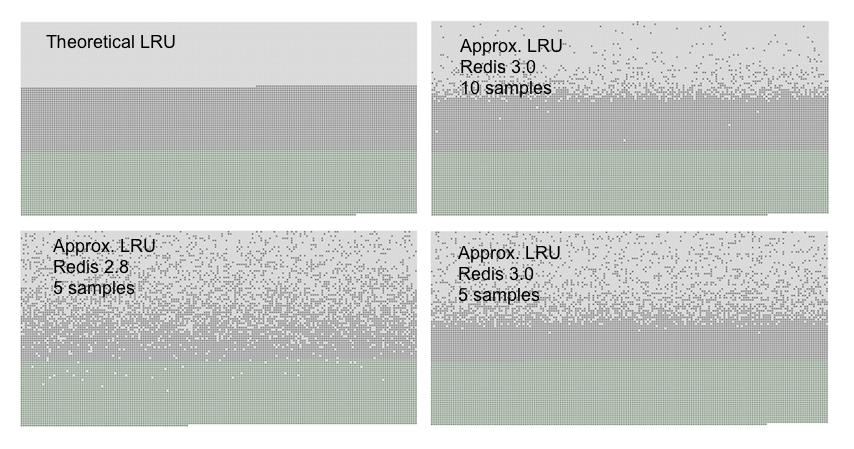
说完了过期策略再说下淘汰策略,redis 使用的策略是近似的 lru 策略,为什么是近似的呢,先来看下什么是 lru,看下 wiki 的介绍 ,图中一共有四个槽的存储空间,依次访问顺序是 A B C D E D F, 当第一次访问 D 时刚好占满了坑,并且值是 4,这个值越小代表越先被淘汰,当 E 进来时,看了下已经存在的四个里 A 是最小的,代表是最早存在并且最早被访问的,那就先淘汰它了,E 占领了 A 的位置,并设置值为 4,然后又访问 D 了,D 已经存在了,不过又被访问到了,得更新值为 5,然后是 F 进来了,这时 B 是最老的且最近未被访问,所以就淘汰它了。以上是一个 lru 的简要说明,但是 redis 没有严格按照这个去执行,理由跟前面过期策略一致,最严格的过期策略应该是每个 key 都有对应的定时器,当超时时马上就能清除,但是问题是这样的cpu 消耗太大,所换来的内存效率不太值得,淘汰策略也是这样,类似于上图,要维护所有 key 的一个有序 lru 值,并且遍历将最小的淘汰,redis 采用的是抽样的形式,最初的实现方式是随机从 dict 抽取 5 个 key,淘汰一个 lru 最小的,这样子勉强能达到淘汰的目的,但是效果不是特别好,后面在 redis 3.0开始,将随机抽取改成了维护一个 pool,pool 的大小默认是 16,每次放入的都是按lru 值有序排列好,每一次放入的必须是 lru小于 pool 中最小的 lru 才允许放入,直到放满,后面再有新的就会将大的踢出。 redis 针对这个策略的改进做了一个实验,这里借用下图 首先背景是这图中的所有点都对应一个 redis 的 key,灰色部分加入后被顺序访问过一遍,然后又加入了绿色部分,那么按照理论的 lru 算法,应该是图左上中,浅灰色部分全都被淘汰,那么对比来看看图右上,左下和右下,左下表示 2.8 版本就是随机抽样 5 个 key,淘汰其中 lru 最小的一个,发现是灰色和浅灰色的都有被淘汰的,右下的 3.0 版本抽样数量不变的情况下,稍好一些,当 3.0 版本的抽样数量调整成 10 后,已经较为接近理论上的 lru 策略了,通过代码来简要分析下
1
2
3
4
5
6
7
8
9
typedefstructredisObject { unsigned type:4; unsigned encoding:4; unsigned lru:LRU_BITS; /* LRU time (relative to global lru_clock) or * LFU data (least significant 8 bits frequency * and most significant 16 bits access time). */ int refcount; void *ptr; } robj;
/* Low level key lookup API, not actually called directly from commands * implementations that should instead rely on lookupKeyRead(), * lookupKeyWrite() and lookupKeyReadWithFlags(). */ robj *lookupKey(redisDb *db, robj *key, int flags){ dictEntry *de = dictFind(db->dict,key->ptr); if (de) { robj *val = dictGetVal(de);
/* Update the access time for the ageing algorithm. * Don't do it if we have a saving child, as this will trigger * a copy on write madness. */ if (!hasActiveChildProcess() && !(flags & LOOKUP_NOTOUCH)){ if (server.maxmemory_policy & MAXMEMORY_FLAG_LFU) { // 这个是后面一节的内容 updateLFU(val); } else { // 对于这个分支,访问时就会去更新 lru 值 val->lru = LRU_CLOCK(); } } return val; } else { returnNULL; } } /* This function is used to obtain the current LRU clock. * If the current resolution is lower than the frequency we refresh the * LRU clock (as it should be in production servers) we return the * precomputed value, otherwise we need to resort to a system call. */ unsignedintLRU_CLOCK(void){ unsignedint lruclock; if (1000/server.hz <= LRU_CLOCK_RESOLUTION) { // 如果服务器的频率server.hz大于 1 时就是用系统预设的 lruclock lruclock = server.lruclock; } else { lruclock = getLRUClock(); } return lruclock; } /* Return the LRU clock, based on the clock resolution. This is a time * in a reduced-bits format that can be used to set and check the * object->lru field of redisObject structures. */ unsignedintgetLRUClock(void){ return (mstime()/LRU_CLOCK_RESOLUTION) & LRU_CLOCK_MAX; }
/* If this function gets called we already read a whole * command, arguments are in the client argv/argc fields. * processCommand() execute the command or prepare the * server for a bulk read from the client. * * If C_OK is returned the client is still alive and valid and * other operations can be performed by the caller. Otherwise * if C_ERR is returned the client was destroyed (i.e. after QUIT). */ intprocessCommand(client *c){ moduleCallCommandFilters(c);
/* Handle the maxmemory directive. * * Note that we do not want to reclaim memory if we are here re-entering * the event loop since there is a busy Lua script running in timeout * condition, to avoid mixing the propagation of scripts with the * propagation of DELs due to eviction. */ if (server.maxmemory && !server.lua_timedout) { int out_of_memory = freeMemoryIfNeededAndSafe() == C_ERR; /* freeMemoryIfNeeded may flush slave output buffers. This may result * into a slave, that may be the active client, to be freed. */ if (server.current_client == NULL) return C_ERR;
/* It was impossible to free enough memory, and the command the client * is trying to execute is denied during OOM conditions or the client * is in MULTI/EXEC context? Error. */ if (out_of_memory && (c->cmd->flags & CMD_DENYOOM || (c->flags & CLIENT_MULTI && c->cmd->proc != execCommand && c->cmd->proc != discardCommand))) { flagTransaction(c); addReply(c, shared.oomerr); return C_OK; } } }
/* This is a wrapper for freeMemoryIfNeeded() that only really calls the * function if right now there are the conditions to do so safely: * * - There must be no script in timeout condition. * - Nor we are loading data right now. * */ intfreeMemoryIfNeededAndSafe(void){ if (server.lua_timedout || server.loading) return C_OK; return freeMemoryIfNeeded(); } /* This function is periodically called to see if there is memory to free * according to the current "maxmemory" settings. In case we are over the * memory limit, the function will try to free some memory to return back * under the limit. * * The function returns C_OK if we are under the memory limit or if we * were over the limit, but the attempt to free memory was successful. * Otehrwise if we are over the memory limit, but not enough memory * was freed to return back under the limit, the function returns C_ERR. */ intfreeMemoryIfNeeded(void){ int keys_freed = 0; /* By default replicas should ignore maxmemory * and just be masters exact copies. */ if (server.masterhost && server.repl_slave_ignore_maxmemory) return C_OK;
/* When clients are paused the dataset should be static not just from the * POV of clients not being able to write, but also from the POV of * expires and evictions of keys not being performed. */ if (clientsArePaused()) return C_OK; if (getMaxmemoryState(&mem_reported,NULL,&mem_tofree,NULL) == C_OK) return C_OK;
mem_freed = 0;
if (server.maxmemory_policy == MAXMEMORY_NO_EVICTION) goto cant_free; /* We need to free memory, but policy forbids. */
latencyStartMonitor(latency); while (mem_freed < mem_tofree) { int j, k, i; staticunsignedint next_db = 0; sds bestkey = NULL; int bestdbid; redisDb *db; dict *dict; dictEntry *de;
/* We don't want to make local-db choices when expiring keys, * so to start populate the eviction pool sampling keys from * every DB. */ for (i = 0; i < server.dbnum; i++) { db = server.db+i; dict = (server.maxmemory_policy & MAXMEMORY_FLAG_ALLKEYS) ? db->dict : db->expires; if ((keys = dictSize(dict)) != 0) { evictionPoolPopulate(i, dict, db->dict, pool); total_keys += keys; } } if (!total_keys) break; /* No keys to evict. */
/* Go backward from best to worst element to evict. */ for (k = EVPOOL_SIZE-1; k >= 0; k--) { if (pool[k].key == NULL) continue; bestdbid = pool[k].dbid;
if (server.maxmemory_policy & MAXMEMORY_FLAG_ALLKEYS) { de = dictFind(server.db[pool[k].dbid].dict, pool[k].key); } else { de = dictFind(server.db[pool[k].dbid].expires, pool[k].key); }
/* Remove the entry from the pool. */ if (pool[k].key != pool[k].cached) sdsfree(pool[k].key); pool[k].key = NULL; pool[k].idle = 0;
/* If the key exists, is our pick. Otherwise it is * a ghost and we need to try the next element. */ if (de) { bestkey = dictGetKey(de); break; } else { /* Ghost... Iterate again. */ } } } }
/* volatile-random and allkeys-random policy */ elseif (server.maxmemory_policy == MAXMEMORY_ALLKEYS_RANDOM || server.maxmemory_policy == MAXMEMORY_VOLATILE_RANDOM) { /* When evicting a random key, we try to evict a key for * each DB, so we use the static 'next_db' variable to * incrementally visit all DBs. */ for (i = 0; i < server.dbnum; i++) { j = (++next_db) % server.dbnum; db = server.db+j; dict = (server.maxmemory_policy == MAXMEMORY_ALLKEYS_RANDOM) ? db->dict : db->expires; if (dictSize(dict) != 0) { de = dictGetRandomKey(dict); bestkey = dictGetKey(de); bestdbid = j; break; } } }
/* Finally remove the selected key. */ if (bestkey) { db = server.db+bestdbid; robj *keyobj = createStringObject(bestkey,sdslen(bestkey)); propagateExpire(db,keyobj,server.lazyfree_lazy_eviction); /* We compute the amount of memory freed by db*Delete() alone. * It is possible that actually the memory needed to propagate * the DEL in AOF and replication link is greater than the one * we are freeing removing the key, but we can't account for * that otherwise we would never exit the loop. * * AOF and Output buffer memory will be freed eventually so * we only care about memory used by the key space. */ delta = (longlong) zmalloc_used_memory(); latencyStartMonitor(eviction_latency); if (server.lazyfree_lazy_eviction) dbAsyncDelete(db,keyobj); else dbSyncDelete(db,keyobj); latencyEndMonitor(eviction_latency); latencyAddSampleIfNeeded("eviction-del",eviction_latency); latencyRemoveNestedEvent(latency,eviction_latency); delta -= (longlong) zmalloc_used_memory(); mem_freed += delta; server.stat_evictedkeys++; notifyKeyspaceEvent(NOTIFY_EVICTED, "evicted", keyobj, db->id); decrRefCount(keyobj); keys_freed++;
/* When the memory to free starts to be big enough, we may * start spending so much time here that is impossible to * deliver data to the slaves fast enough, so we force the * transmission here inside the loop. */ if (slaves) flushSlavesOutputBuffers();
/* Normally our stop condition is the ability to release * a fixed, pre-computed amount of memory. However when we * are deleting objects in another thread, it's better to * check, from time to time, if we already reached our target * memory, since the "mem_freed" amount is computed only * across the dbAsyncDelete() call, while the thread can * release the memory all the time. */ if (server.lazyfree_lazy_eviction && !(keys_freed % 16)) { if (getMaxmemoryState(NULL,NULL,NULL,NULL) == C_OK) { /* Let's satisfy our stop condition. */ mem_freed = mem_tofree; } } } else { latencyEndMonitor(latency); latencyAddSampleIfNeeded("eviction-cycle",latency); goto cant_free; /* nothing to free... */ } } latencyEndMonitor(latency); latencyAddSampleIfNeeded("eviction-cycle",latency); return C_OK;
cant_free: /* We are here if we are not able to reclaim memory. There is only one * last thing we can try: check if the lazyfree thread has jobs in queue * and wait... */ while(bioPendingJobsOfType(BIO_LAZY_FREE)) { if (((mem_reported - zmalloc_used_memory()) + mem_freed) >= mem_tofree) break; usleep(1000); } return C_ERR; }
/* If the dictionary we are sampling from is not the main * dictionary (but the expires one) we need to lookup the key * again in the key dictionary to obtain the value object. */ if (server.maxmemory_policy != MAXMEMORY_VOLATILE_TTL) { if (sampledict != keydict) de = dictFind(keydict, key); o = dictGetVal(de); }
/* Calculate the idle time according to the policy. This is called * idle just because the code initially handled LRU, but is in fact * just a score where an higher score means better candidate. */ if (server.maxmemory_policy & MAXMEMORY_FLAG_LRU) { idle = estimateObjectIdleTime(o); } elseif (server.maxmemory_policy & MAXMEMORY_FLAG_LFU) { /* When we use an LRU policy, we sort the keys by idle time * so that we expire keys starting from greater idle time. * However when the policy is an LFU one, we have a frequency * estimation, and we want to evict keys with lower frequency * first. So inside the pool we put objects using the inverted * frequency subtracting the actual frequency to the maximum * frequency of 255. */ idle = 255-LFUDecrAndReturn(o); } elseif (server.maxmemory_policy == MAXMEMORY_VOLATILE_TTL) { /* In this case the sooner the expire the better. */ idle = ULLONG_MAX - (long)dictGetVal(de); } else { serverPanic("Unknown eviction policy in evictionPoolPopulate()"); }
/* Insert the element inside the pool. * First, find the first empty bucket or the first populated * bucket that has an idle time smaller than our idle time. */ k = 0; while (k < EVPOOL_SIZE && pool[k].key && pool[k].idle < idle) k++; if (k == 0 && pool[EVPOOL_SIZE-1].key != NULL) { /* Can't insert if the element is < the worst element we have * and there are no empty buckets. */ continue; } elseif (k < EVPOOL_SIZE && pool[k].key == NULL) { /* Inserting into empty position. No setup needed before insert. */ } else { /* Inserting in the middle. Now k points to the first element * greater than the element to insert. */ if (pool[EVPOOL_SIZE-1].key == NULL) { /* Free space on the right? Insert at k shifting * all the elements from k to end to the right. */
/* Save SDS before overwriting. */ sds cached = pool[EVPOOL_SIZE-1].cached; memmove(pool+k+1,pool+k, sizeof(pool[0])*(EVPOOL_SIZE-k-1)); pool[k].cached = cached; } else { /* No free space on right? Insert at k-1 */ k--; /* Shift all elements on the left of k (included) to the * left, so we discard the element with smaller idle time. */ sds cached = pool[0].cached; /* Save SDS before overwriting. */ if (pool[0].key != pool[0].cached) sdsfree(pool[0].key); memmove(pool,pool+1,sizeof(pool[0])*k); pool[k].cached = cached; } }
/* Try to reuse the cached SDS string allocated in the pool entry, * because allocating and deallocating this object is costly * (according to the profiler, not my fantasy. Remember: * premature optimizbla bla bla bla. */ int klen = sdslen(key); if (klen > EVPOOL_CACHED_SDS_SIZE) { pool[k].key = sdsdup(key); } else { memcpy(pool[k].cached,key,klen+1); sdssetlen(pool[k].cached,klen); pool[k].key = pool[k].cached; } pool[k].idle = idle; pool[k].dbid = dbid; } }
/* Given an object returns the min number of milliseconds the object was never * requested, using an approximated LRU algorithm. */ unsignedlonglongestimateObjectIdleTime(robj *o){ unsignedlonglong lruclock = LRU_CLOCK(); if (lruclock >= o->lru) { return (lruclock - o->lru) * LRU_CLOCK_RESOLUTION; } else { return (lruclock + (LRU_CLOCK_MAX - o->lru)) * LRU_CLOCK_RESOLUTION; } }
`lfu-decay-time`是一个以分钟为单位的数值,可以调整counter的减少速度 这里有个问题是 8 位大小够计么,访问一次加 1 的话的确不够,不过大神就是大神,才不会这么简单的加一。往下看代码 ```C /* Low level key lookup API, not actually called directly from commands * implementations that should instead rely on lookupKeyRead(), * lookupKeyWrite() and lookupKeyReadWithFlags(). */ robj *lookupKey(redisDb *db, robj *key, int flags) { dictEntry *de = dictFind(db->dict,key->ptr); if (de) { robj *val = dictGetVal(de);
/* Update the access time for the ageing algorithm. * Don't do it if we have a saving child, as this will trigger * a copy on write madness. */ if (!hasActiveChildProcess() && !(flags & LOOKUP_NOTOUCH)){ if (server.maxmemory_policy & MAXMEMORY_FLAG_LFU) { // 当淘汰策略是 LFU 时,就会调用这个updateLFU updateLFU(val); } else { val->lru = LRU_CLOCK(); } } return val; } else { return NULL; } }
/* Update LFU when an object is accessed. * Firstly, decrement the counter if the decrement time is reached. * Then logarithmically increment the counter, and update the access time. */ voidupdateLFU(robj *val){ unsignedlong counter = LFUDecrAndReturn(val); counter = LFULogIncr(counter); val->lru = (LFUGetTimeInMinutes()<<8) | counter; }
/* If the object decrement time is reached decrement the LFU counter but * do not update LFU fields of the object, we update the access time * and counter in an explicit way when the object is really accessed. * And we will times halve the counter according to the times of * elapsed time than server.lfu_decay_time. * Return the object frequency counter. * * This function is used in order to scan the dataset for the best object * to fit: as we check for the candidate, we incrementally decrement the * counter of the scanned objects if needed. */ unsignedlongLFUDecrAndReturn(robj *o){ // 右移 8 位,拿到上次衰减时间 unsignedlong ldt = o->lru >> 8; // 对 255 做与操作,拿到 counter 值 unsignedlong counter = o->lru & 255; // 根据lfu_decay_time来算出过了多少个衰减周期 unsignedlong num_periods = server.lfu_decay_time ? LFUTimeElapsed(ldt) / server.lfu_decay_time : 0; if (num_periods) counter = (num_periods > counter) ? 0 : counter - num_periods; return counter; }
/* Logarithmically increment a counter. The greater is the current counter value * the less likely is that it gets really implemented. Saturate it at 255. */ uint8_tLFULogIncr(uint8_t counter){ // 最大值就是 255,到顶了就不加了 if (counter == 255) return255; // 生成个随机小数 double r = (double)rand()/RAND_MAX; // 减去个基础值,LFU_INIT_VAL = 5,防止刚进来就被逐出 double baseval = counter - LFU_INIT_VAL; // 如果是小于 0, if (baseval < 0) baseval = 0; // 如果 baseval 是 0,那么 p 就是 1了,后面 counter 直接加一,如果不是的话,得看系统参数lfu_log_factor,这个越大,除出来的 p 越小,那么 counter++的可能性也越小,这样子就把前面的疑问给解决了,不是直接+1 的 double p = 1.0/(baseval*server.lfu_log_factor+1); if (r < p) counter++; return counter; }
/* This function is called when we are going to perform some operation * in a given key, but such key may be already logically expired even if * it still exists in the database. The main way this function is called * is via lookupKey*() family of functions. * * The behavior of the function depends on the replication role of the * instance, because slave instances do not expire keys, they wait * for DELs from the master for consistency matters. However even * slaves will try to have a coherent return value for the function, * so that read commands executed in the slave side will be able to * behave like if the key is expired even if still present (because the * master has yet to propagate the DEL). * * In masters as a side effect of finding a key which is expired, such * key will be evicted from the database. Also this may trigger the * propagation of a DEL/UNLINK command in AOF / replication stream. * * The return value of the function is 0 if the key is still valid, * otherwise the function returns 1 if the key is expired. */ intexpireIfNeeded(redisDb *db, robj *key){ if (!keyIsExpired(db,key)) return0;
/* If we are running in the context of a slave, instead of * evicting the expired key from the database, we return ASAP: * the slave key expiration is controlled by the master that will * send us synthesized DEL operations for expired keys. * * Still we try to return the right information to the caller, * that is, 0 if we think the key should be still valid, 1 if * we think the key is expired at this time. */ if (server.masterhost != NULL) return1;
/* Check if the key is expired. */ intkeyIsExpired(redisDb *db, robj *key){ mstime_t when = getExpire(db,key); mstime_t now;
if (when < 0) return0; /* No expire for this key */
/* Don't expire anything while loading. It will be done later. */ if (server.loading) return0;
/* If we are in the context of a Lua script, we pretend that time is * blocked to when the Lua script started. This way a key can expire * only the first time it is accessed and not in the middle of the * script execution, making propagation to slaves / AOF consistent. * See issue #1525 on Github for more information. */ if (server.lua_caller) { now = server.lua_time_start; } /* If we are in the middle of a command execution, we still want to use * a reference time that does not change: in that case we just use the * cached time, that we update before each call in the call() function. * This way we avoid that commands such as RPOPLPUSH or similar, that * may re-open the same key multiple times, can invalidate an already * open object in a next call, if the next call will see the key expired, * while the first did not. */ elseif (server.fixed_time_expire > 0) { now = server.mstime; } /* For the other cases, we want to use the most fresh time we have. */ else { now = mstime(); }
/* The key expired if the current (virtual or real) time is greater * than the expire time of the key. */ return now > when; } /* Return the expire time of the specified key, or -1 if no expire * is associated with this key (i.e. the key is non volatile) */ longlonggetExpire(redisDb *db, robj *key){ dictEntry *de;
/* No expire? return ASAP */ if (dictSize(db->expires) == 0 || (de = dictFind(db->expires,key->ptr)) == NULL) return-1;
/* The entry was found in the expire dict, this means it should also * be present in the main dict (safety check). */ serverAssertWithInfo(NULL,key,dictFind(db->dict,key->ptr) != NULL); return dictGetSignedIntegerVal(de); }
/* This function handles 'background' operations we are required to do * incrementally in Redis databases, such as active key expiring, resizing, * rehashing. */ voiddatabasesCron(void){ /* Expire keys by random sampling. Not required for slaves * as master will synthesize DELs for us. */ if (server.active_expire_enabled) { if (server.masterhost == NULL) { activeExpireCycle(ACTIVE_EXPIRE_CYCLE_SLOW); } else { expireSlaveKeys(); } }
/* Defrag keys gradually. */ activeDefragCycle();
/* Perform hash tables rehashing if needed, but only if there are no * other processes saving the DB on disk. Otherwise rehashing is bad * as will cause a lot of copy-on-write of memory pages. */ if (!hasActiveChildProcess()) { /* We use global counters so if we stop the computation at a given * DB we'll be able to start from the successive in the next * cron loop iteration. */ staticunsignedint resize_db = 0; staticunsignedint rehash_db = 0; int dbs_per_call = CRON_DBS_PER_CALL; int j;
/* Don't test more DBs than we have. */ if (dbs_per_call > server.dbnum) dbs_per_call = server.dbnum;
/* Rehash */ if (server.activerehashing) { for (j = 0; j < dbs_per_call; j++) { int work_done = incrementallyRehash(rehash_db); if (work_done) { /* If the function did some work, stop here, we'll do * more at the next cron loop. */ break; } else { /* If this db didn't need rehash, we'll try the next one. */ rehash_db++; rehash_db %= server.dbnum; } } } } } /* Try to expire a few timed out keys. The algorithm used is adaptive and * will use few CPU cycles if there are few expiring keys, otherwise * it will get more aggressive to avoid that too much memory is used by * keys that can be removed from the keyspace. * * Every expire cycle tests multiple databases: the next call will start * again from the next db, with the exception of exists for time limit: in that * case we restart again from the last database we were processing. Anyway * no more than CRON_DBS_PER_CALL databases are tested at every iteration. * * The function can perform more or less work, depending on the "type" * argument. It can execute a "fast cycle" or a "slow cycle". The slow * cycle is the main way we collect expired cycles: this happens with * the "server.hz" frequency (usually 10 hertz). * * However the slow cycle can exit for timeout, since it used too much time. * For this reason the function is also invoked to perform a fast cycle * at every event loop cycle, in the beforeSleep() function. The fast cycle * will try to perform less work, but will do it much more often. * * The following are the details of the two expire cycles and their stop * conditions: * * If type is ACTIVE_EXPIRE_CYCLE_FAST the function will try to run a * "fast" expire cycle that takes no longer than EXPIRE_FAST_CYCLE_DURATION * microseconds, and is not repeated again before the same amount of time. * The cycle will also refuse to run at all if the latest slow cycle did not * terminate because of a time limit condition. * * If type is ACTIVE_EXPIRE_CYCLE_SLOW, that normal expire cycle is * executed, where the time limit is a percentage of the REDIS_HZ period * as specified by the ACTIVE_EXPIRE_CYCLE_SLOW_TIME_PERC define. In the * fast cycle, the check of every database is interrupted once the number * of already expired keys in the database is estimated to be lower than * a given percentage, in order to avoid doing too much work to gain too * little memory. * * The configured expire "effort" will modify the baseline parameters in * order to do more work in both the fast and slow expire cycles. */
#define ACTIVE_EXPIRE_CYCLE_KEYS_PER_LOOP 20 /* Keys for each DB loop. */ #define ACTIVE_EXPIRE_CYCLE_FAST_DURATION 1000 /* Microseconds. */ #define ACTIVE_EXPIRE_CYCLE_SLOW_TIME_PERC 25 /* Max % of CPU to use. */ #define ACTIVE_EXPIRE_CYCLE_ACCEPTABLE_STALE 10 /* % of stale keys after which we do extra efforts. */ voidactiveExpireCycle(int type){ /* Adjust the running parameters according to the configured expire * effort. The default effort is 1, and the maximum configurable effort * is 10. */ unsignedlong effort = server.active_expire_effort-1, /* Rescale from 0 to 9. */ config_keys_per_loop = ACTIVE_EXPIRE_CYCLE_KEYS_PER_LOOP + ACTIVE_EXPIRE_CYCLE_KEYS_PER_LOOP/4*effort, config_cycle_fast_duration = ACTIVE_EXPIRE_CYCLE_FAST_DURATION + ACTIVE_EXPIRE_CYCLE_FAST_DURATION/4*effort, config_cycle_slow_time_perc = ACTIVE_EXPIRE_CYCLE_SLOW_TIME_PERC + 2*effort, config_cycle_acceptable_stale = ACTIVE_EXPIRE_CYCLE_ACCEPTABLE_STALE- effort;
/* This function has some global state in order to continue the work * incrementally across calls. */ staticunsignedint current_db = 0; /* Last DB tested. */ staticint timelimit_exit = 0; /* Time limit hit in previous call? */ staticlonglong last_fast_cycle = 0; /* When last fast cycle ran. */
int j, iteration = 0; int dbs_per_call = CRON_DBS_PER_CALL; longlong start = ustime(), timelimit, elapsed;
/* When clients are paused the dataset should be static not just from the * POV of clients not being able to write, but also from the POV of * expires and evictions of keys not being performed. */ if (clientsArePaused()) return;
if (type == ACTIVE_EXPIRE_CYCLE_FAST) { /* Don't start a fast cycle if the previous cycle did not exit * for time limit, unless the percentage of estimated stale keys is * too high. Also never repeat a fast cycle for the same period * as the fast cycle total duration itself. */ if (!timelimit_exit && server.stat_expired_stale_perc < config_cycle_acceptable_stale) return;
if (start < last_fast_cycle + (longlong)config_cycle_fast_duration*2) return;
last_fast_cycle = start; }
/* We usually should test CRON_DBS_PER_CALL per iteration, with * two exceptions: * * 1) Don't test more DBs than we have. * 2) If last time we hit the time limit, we want to scan all DBs * in this iteration, as there is work to do in some DB and we don't want * expired keys to use memory for too much time. */ if (dbs_per_call > server.dbnum || timelimit_exit) dbs_per_call = server.dbnum;
/* We can use at max 'config_cycle_slow_time_perc' percentage of CPU * time per iteration. Since this function gets called with a frequency of * server.hz times per second, the following is the max amount of * microseconds we can spend in this function. */ timelimit = config_cycle_slow_time_perc*1000000/server.hz/100; timelimit_exit = 0; if (timelimit <= 0) timelimit = 1;
if (type == ACTIVE_EXPIRE_CYCLE_FAST) timelimit = config_cycle_fast_duration; /* in microseconds. */
/* Accumulate some global stats as we expire keys, to have some idea * about the number of keys that are already logically expired, but still * existing inside the database. */ long total_sampled = 0; long total_expired = 0;
for (j = 0; j < dbs_per_call && timelimit_exit == 0; j++) { /* Expired and checked in a single loop. */ unsignedlong expired, sampled;
/* Increment the DB now so we are sure if we run out of time * in the current DB we'll restart from the next. This allows to * distribute the time evenly across DBs. */ current_db++;
/* Continue to expire if at the end of the cycle more than 25% * of the keys were expired. */ do { unsignedlong num, slots; longlong now, ttl_sum; int ttl_samples; iteration++;
/* If there is nothing to expire try next DB ASAP. */ if ((num = dictSize(db->expires)) == 0) { db->avg_ttl = 0; break; } slots = dictSlots(db->expires); now = mstime();
/* When there are less than 1% filled slots, sampling the key * space is expensive, so stop here waiting for better times... * The dictionary will be resized asap. */ if (num && slots > DICT_HT_INITIAL_SIZE && (num*100/slots < 1)) break;
/* The main collection cycle. Sample random keys among keys * with an expire set, checking for expired ones. */ expired = 0; sampled = 0; ttl_sum = 0; ttl_samples = 0;
if (num > config_keys_per_loop) num = config_keys_per_loop;
/* Here we access the low level representation of the hash table * for speed concerns: this makes this code coupled with dict.c, * but it hardly changed in ten years. * * Note that certain places of the hash table may be empty, * so we want also a stop condition about the number of * buckets that we scanned. However scanning for free buckets * is very fast: we are in the cache line scanning a sequential * array of NULL pointers, so we can scan a lot more buckets * than keys in the same time. */ long max_buckets = num*20; long checked_buckets = 0;
while (sampled < num && checked_buckets < max_buckets) { for (int table = 0; table < 2; table++) { if (table == 1 && !dictIsRehashing(db->expires)) break;
/* Scan the current bucket of the current table. */ checked_buckets++; while(de) { /* Get the next entry now since this entry may get * deleted. */ dictEntry *e = de; de = de->next;
ttl = dictGetSignedIntegerVal(e)-now; if (activeExpireCycleTryExpire(db,e,now)) expired++; if (ttl > 0) { /* We want the average TTL of keys yet * not expired. */ ttl_sum += ttl; ttl_samples++; } sampled++; } } db->expires_cursor++; } total_expired += expired; total_sampled += sampled;
/* Update the average TTL stats for this database. */ if (ttl_samples) { longlong avg_ttl = ttl_sum/ttl_samples;
/* Do a simple running average with a few samples. * We just use the current estimate with a weight of 2% * and the previous estimate with a weight of 98%. */ if (db->avg_ttl == 0) db->avg_ttl = avg_ttl; db->avg_ttl = (db->avg_ttl/50)*49 + (avg_ttl/50); }
/* We can't block forever here even if there are many keys to * expire. So after a given amount of milliseconds return to the * caller waiting for the other active expire cycle. */ if ((iteration & 0xf) == 0) { /* check once every 16 iterations. */ elapsed = ustime()-start; if (elapsed > timelimit) { timelimit_exit = 1; server.stat_expired_time_cap_reached_count++; break; } } /* We don't repeat the cycle for the current database if there are * an acceptable amount of stale keys (logically expired but yet * not reclained). */ } while ((expired*100/sampled) > config_cycle_acceptable_stale); }
/* Update our estimate of keys existing but yet to be expired. * Running average with this sample accounting for 5%. */ double current_perc; if (total_sampled) { current_perc = (double)total_expired/total_sampled; } else current_perc = 0; server.stat_expired_stale_perc = (current_perc*0.05)+ (server.stat_expired_stale_perc*0.95); }
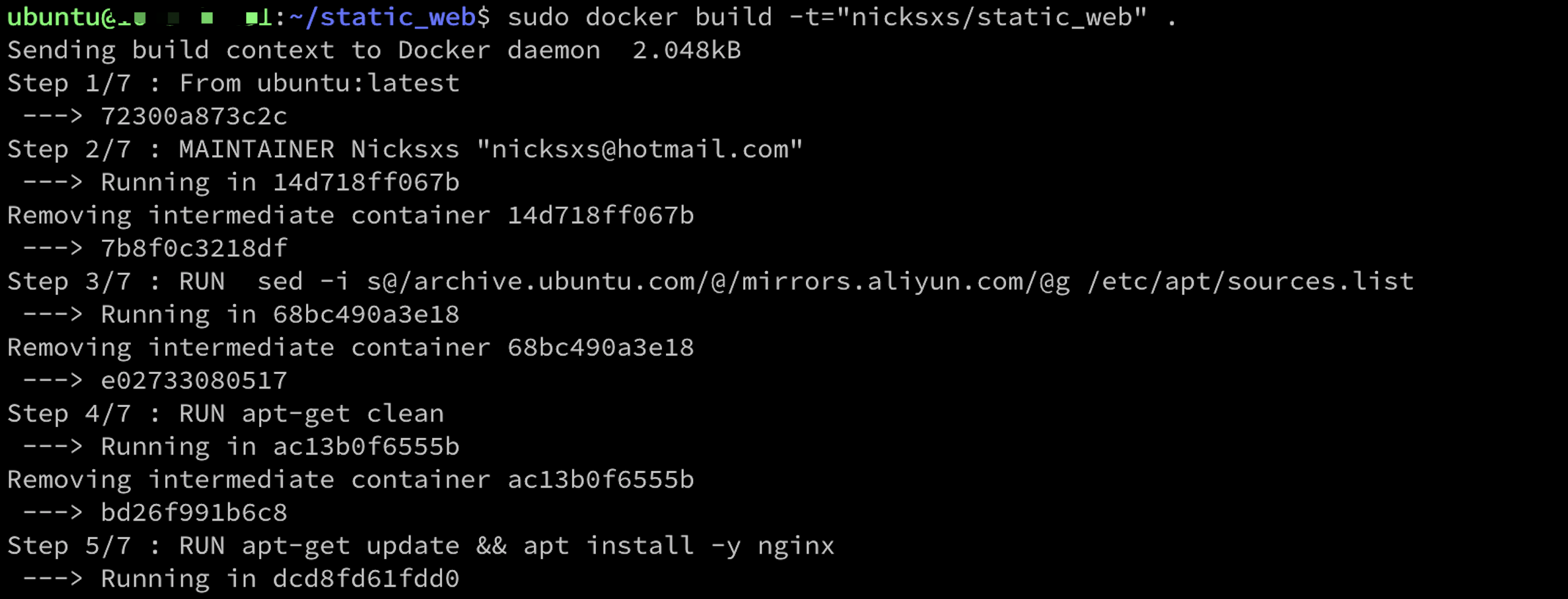
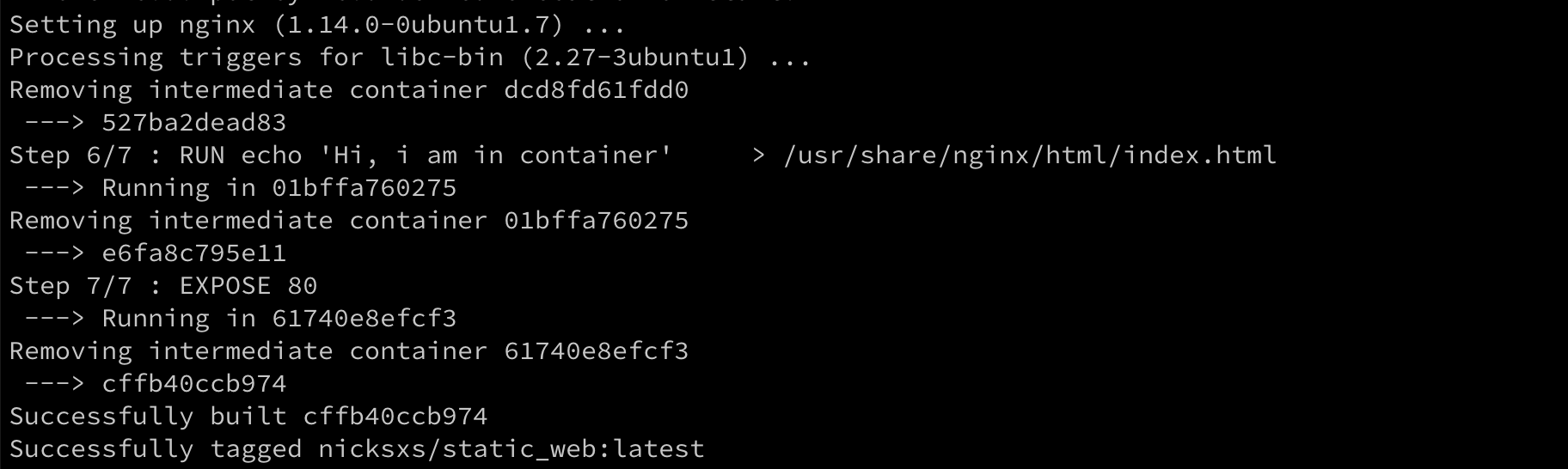
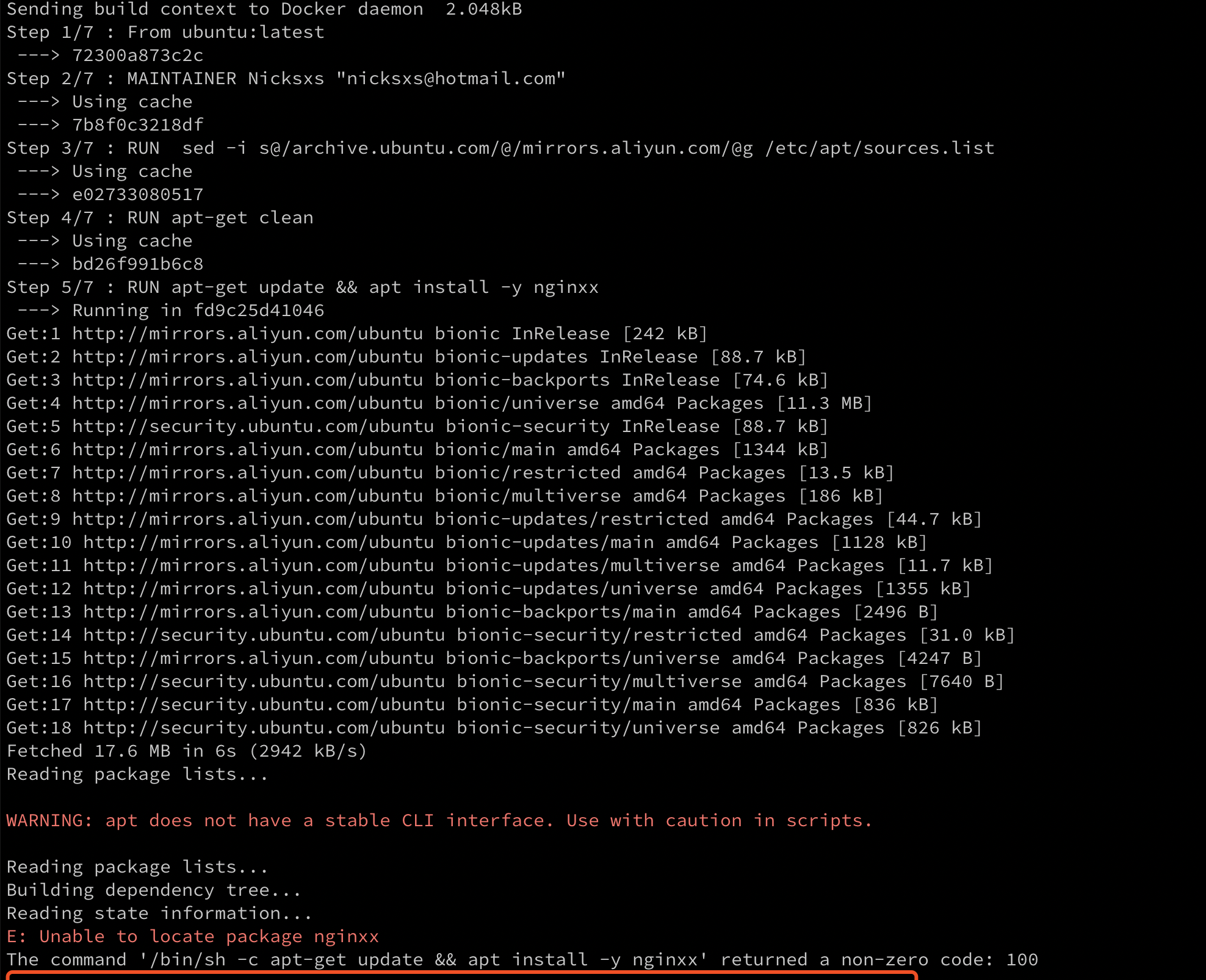
From ubuntu:latest MAINTAINER Nicksxs "nicksxs@hotmail.com" RUN sed -i s@/archive.ubuntu.com/@/mirrors.aliyun.com/@g /etc/apt/sources.list RUN apt-get clean RUN apt-get update && apt install -y nginx RUNecho'Hi, i am in container' \ > /usr/share/nginx/html/index.html EXPOSE80
接下去的点是金基宇介绍金基婷去给多颂当美术家教,这一步又是我理解的败笔吧,就怎么说呢,没什么铺垫,突然从一个社会底层的穷姑娘,转变成一个气场爆表,把富人家太太唬得一愣一愣的,如果说富太太是比较简单无脑的,那富人自己应该是比较有见识而且是做 IT 的,给自己儿子女儿做家教的,查查底细也很正常吧,但是啥都没有,然后呢,她又开始耍司机的心机了,真的是莫名其妙了,司机真的很惨,窈窕淑女君子好逑,而且这个操作也让我摸不着头脑,这是多腹黑并且有经验才会这么操作,脱内裤真的是让我看得一愣愣的,更看得我一愣一愣的,富人竟然也完全按着这个思路去想了,完全没有别的可能呢,甚至可以去查下行车记录仪或者怎样的,或者有没有毛发体液啥的去检验下,毕竟金基婷也乘坐过这辆车,但是最最让我不懂的还是脱内裤这个操作,究竟是什么样的人才会的呢,值得思考。
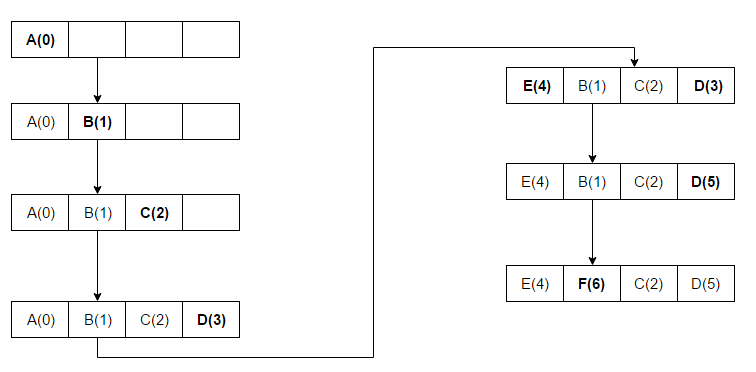 ,图中一共有四个槽的存储空间,依次访问顺序是 A B C D E D F,